
Alphabet Invests $13 Million in Academic Talent to Sustain AI Ecosystem
Google.org's funding for the PhD Fellows program aims to retain brains in strategic areas of computing and artificial intelligence, signaling Big Tech's long-term priorities.
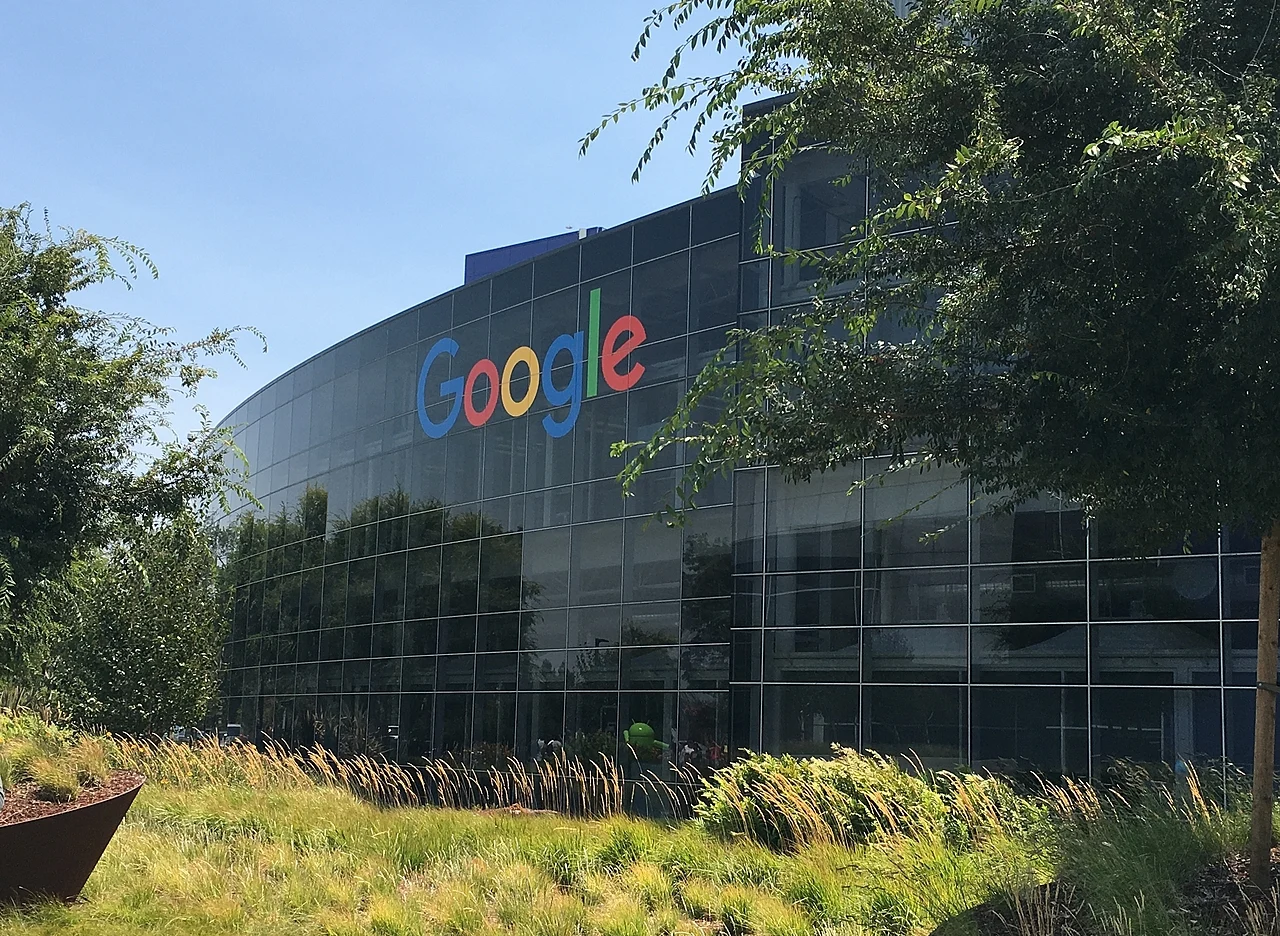
Googleplex Headquarters, Mountain View, US. Illustrative photo: Asoundd / Wikimedia Commons (CC BY-SA 4.0).
The Story in 1 Minute
- Alphabet is investing $13 million through Google.org in the PhD Fellows 2026 program to support academic research in AI and secure top-tier tech talent.
Alphabet, Google's parent company, has reinforced its commitment to basic and applied research through a new $13 million contribution, operated by its philanthropic arm Google.org, for the Google PhD Fellows 2026 program. This capital will be distributed to support doctoral researchers globally, covering critical areas such as machine learning, distributed systems, computer architecture, and human-computer interaction. The move comes at a time when the race for talent specialized in Artificial Intelligence (AI) has reached record levels, with companies competing aggressively for researchers capable of increasing the efficiency of Large Language Models (LLMs) and quantum computing.
Financially, this amount, although it may seem modest compared to the company's multibillion-dollar quarterly CapEx (capital expenditure)—which frequently exceeds $10 billion in data center infrastructure and semiconductors—holds significant intangible strategic value. By institutionalizing support for promising academic talent, Google not only guarantees access to disruptive innovations before they reach the open market, but also consolidates a high-quality hiring pipeline. This funding model is a common practice among tech giants to ensure the long-term sustainability of their research and development (R&D) ecosystem.
Context and Economic Scenario
The global technology sector faces a productivity and scalability challenge regarding generative AI. Publicly traded companies in the sector (Big Techs) are under increasing scrutiny from investors regarding the return on investment (ROI) of their vast bets on AI infrastructure. The contribution to the PhD Fellows program acts as a form of risk mitigation: by investing in the scientific base, the company tries to reduce its dependence on highly expensive and volatile external talent, cultivating a body of specialists aligned with its proprietary engineering needs.
Furthermore, the current macroeconomic scenario, marked by interest rates that still penalize the cost of capital for startups, makes corporate-funded academic research a safe harbor for innovation. While startups face a liquidity crunch to finance long-cycle research, Google uses its robust operational cash flow to ensure the continuity of these studies. This creates a competitive asymmetry where innovation is increasingly concentrated in a few corporations that have the scale to sustain privately funded research laboratories.
How This Affects Your Pocket and Investors
For the investor, this type of announcement is an indicator of capital allocation aimed at protecting the company's economic moat. The ability to retain talent and lead scientific publication is an indirect metric of competitive longevity. The market closely watches how companies like Alphabet, Microsoft, and NVIDIA convert these intangible assets into consumer products, looking for signs that R&D spending is indeed translating into product differentiation and increased operating margin.
For the average citizen, the impact is indirect, but profound. Accelerating AI research ultimately means the introduction of more efficient automation and analysis tools that can reshape labor markets and the service economy itself. However, the concentration of this innovation in a restricted number of entities raises regulatory debates about technological sovereignty and the need for public policies that encourage the democratization of scientific knowledge, avoiding the formation of intellectual monopolies in technologies essential for the future of global productivity.
Developments and Next Steps
The program's implementation schedule follows the 2026 academic cycle, with the selection and allocation of resources being monitored by the global scientific community. Market analysts are expected to continue tracking Alphabet's quarterly earnings calls, observing whether these philanthropic and academic funding expenses continue to be part of the company's institutional marketing and talent retention strategy.
There is currently no indication of changes to the dividend policy or share buybacks resulting from this specific announcement. The focus remains on executing the AI strategy, where technical competence and innovation speed—sustained by investments in talent such as the PhD Fellows—remain the main value drivers for shareholders in the long term.
What this means for you
While startups face a liquidity crunch to finance long-cycle research, Google uses its robust operational cash flow to ensure the continuity of these studies.
This contextual analysis is strictly educational and informational regarding macroeconomic trends. It does not constitute investment advice.
Verified Sources & Editorial Transparency
This report was prepared by Lumin Finanças News following journalistic coverage by the outlets listed below, with cross-checked information from original entities:
This story was originally investigated and reported in Brazil. Numerical figures and data remain preserved in their official units.