
CISA and NSA Release Guidelines for Post-Quantum Cryptography Supply Chain Transition
Agencies recommend proactive risk assessment in digital infrastructures and corporate systems amid quantum advancements.
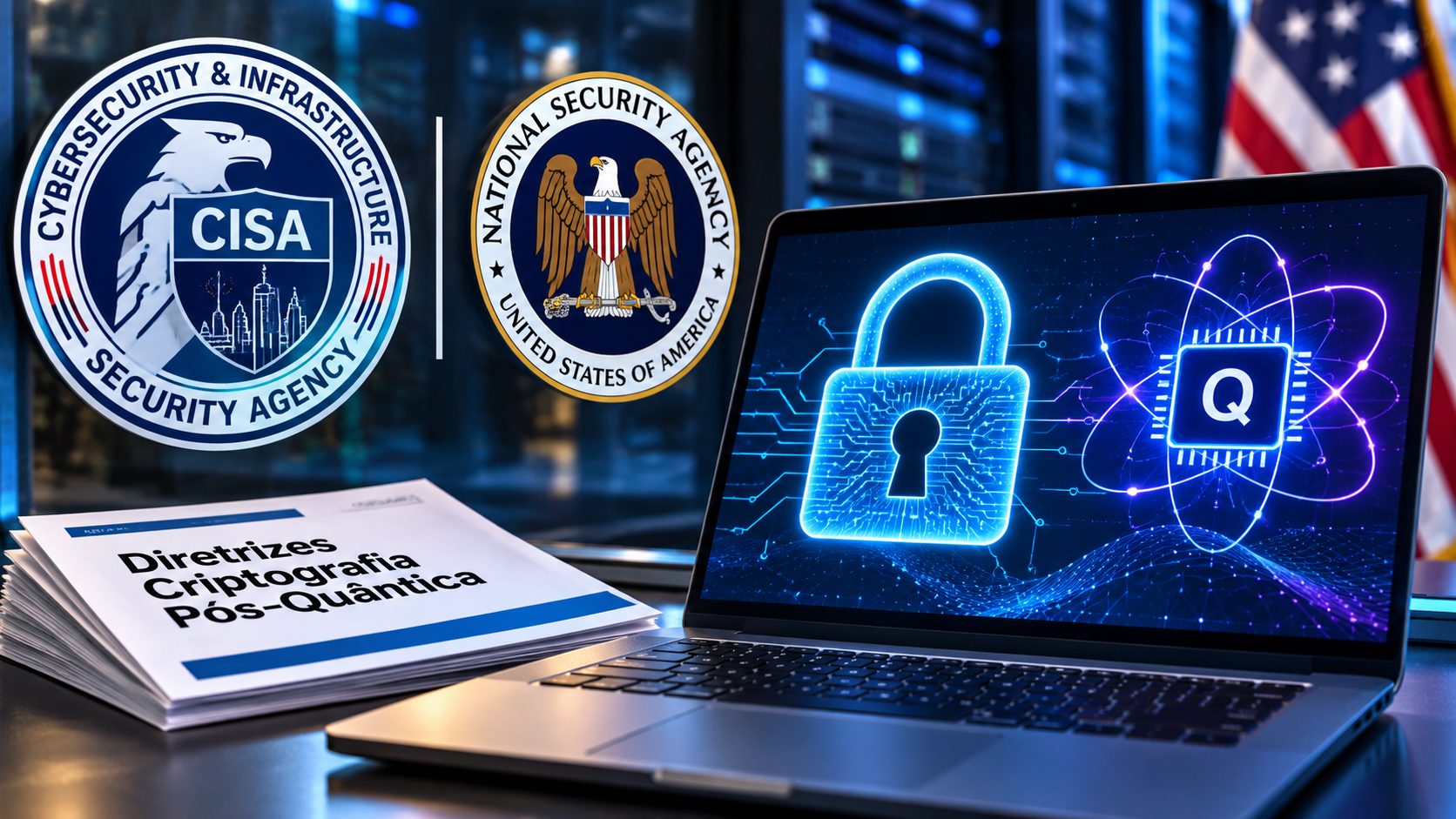
CISA and NSA outline guidance to prepare suppliers against quantum computing threats.
The Story in 1 Minute
- CISA and the NSA have issued new guidelines for organizations to evaluate technology suppliers regarding post-quantum cryptography readiness. As quantum computing threatens current encryption standards, early supply chain risk management is crucial to protect corporate data, ensure compliance, and prevent severe financial losses.
The Cybersecurity and Infrastructure Security Agency (CISA), in collaboration with the Australian Cyber Security Centre (ACSC) and the National Security Agency (NSA), has launched a strategic guide and quick checklist. The material focuses on helping companies assess the readiness of their technology vendors for the transition to post-quantum cryptography (PQC).
With rapid advancements in quantum computing, widely used public-key algorithms currently run the risk of becoming vulnerable to cryptographically relevant quantum computers (CRQCs). To shield corporate data and critical infrastructure before these threats materialize, organizations need to adopt algorithms capable of resisting both classical and quantum computing attacks.
Context and Economic Scenario
The global digital ecosystem relies heavily on complex supply chains, where managed cloud services and encryption-dependent products are outsourced. Internet of Things (IoT) devices and industrial control systems frequently feature long asset life cycles and require support or replacement from external vendors, making technological upgrades a significant operational and financial challenge.
Third-party dependency means that the effectiveness of the migration to PQC is directly tied to vendor planning and transparency. Structured and early engagements with these partners are essential to prevent operational disruptions and excessive future costs, ensuring a technologically secure and economically viable transition.
How This Affects Your Wallet and Investors
For the corporate market and technology investors, cybersecurity risk management is becoming a critical indicator of governance and long-term sustainability. Companies that neglect migration to secure cryptographic standards risk suffering severe financial losses from security incidents, alongside potential regulatory sanctions and market value depreciation.
Consumers and end-users are also indirectly impacted by the security of the platforms they use, since failures in technological supply chains can compromise sensitive data and essential services. The demand for greater transparency from suppliers alters the dynamics of corporate technology contracts.
Developments and Next Steps
Organizations can use the neutral questions proposed by the agencies in the guide to audit the maturity of their technology partners and verify whether they understand the risks associated with quantum technology. The guidelines are available on CISA's official PQC initiative page for public consultation and adoption by governance and information security teams.
What this means for you
IT teams, corporate network administrators, and organizations must evaluate their technology vendors' readiness for post-quantum cryptography to prevent future security vulnerabilities and financial risks.
This contextual analysis is strictly educational and informational regarding macroeconomic trends. It does not constitute investment advice.
Verified Sources & Editorial Transparency
This report was prepared by Lumin Finanças News following journalistic coverage by the outlets listed below, with cross-checked information from original entities:
This story was originally investigated and reported in Brazil. Numerical figures and data remain preserved in their official units.