
Cult.fit Adopts OpenAI Codex to Optimize Internal Operations
Health and technology company integrates development solutions to accelerate the creation of corporate tools.
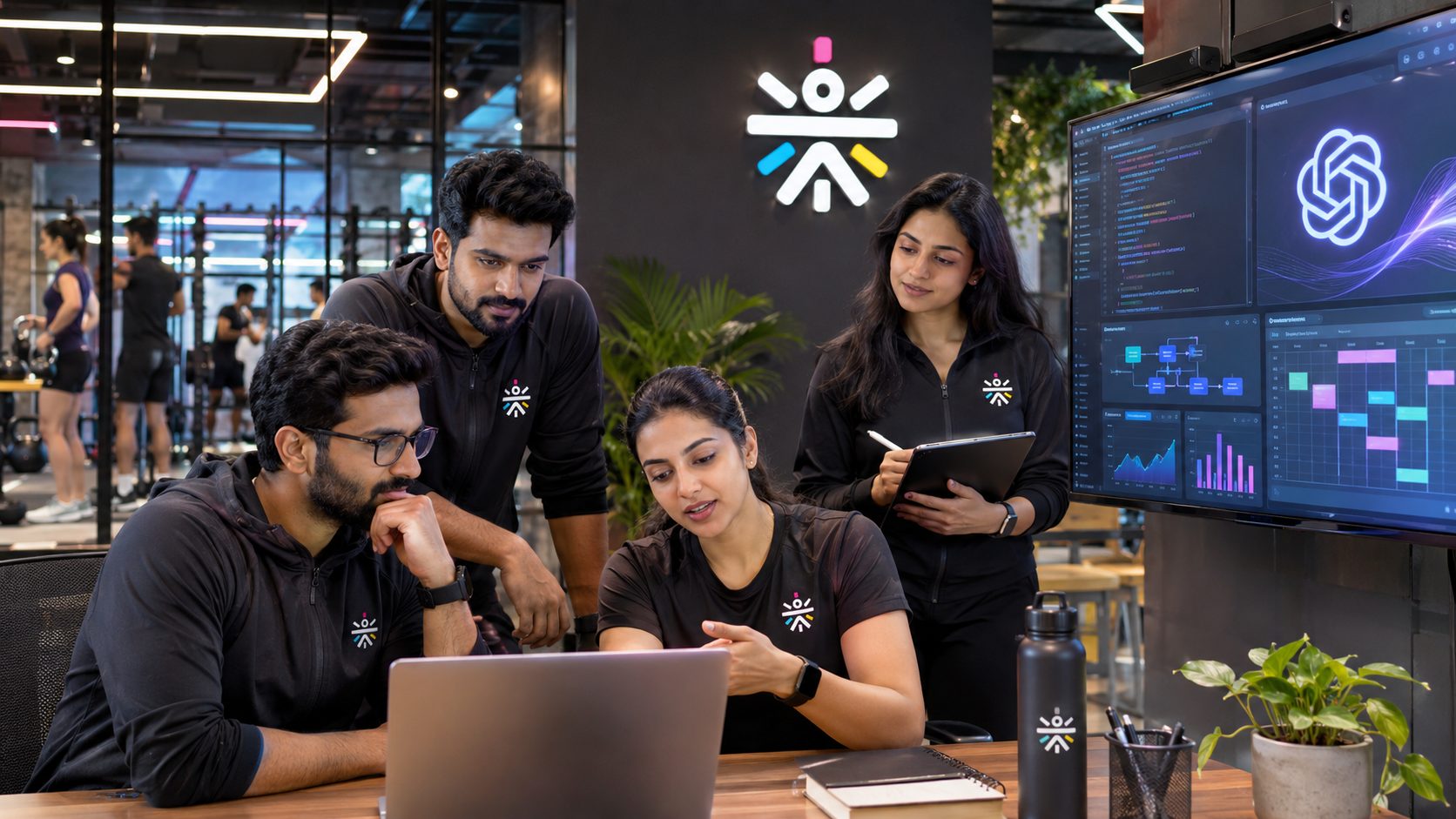
Cult.fit relies on OpenAI's Codex to automate processes and increase operational efficiency.
The Story in 1 Minute
- Cult.fit has adopted OpenAI's Codex technology to enhance internal operations and speed up software development. The move reflects a broader trend among companies utilizing AI to boost productivity and scale operations efficiently, impacting both tech investments and engineering workflows.
Health and wellness platform Cult.fit has officially adopted OpenAI's Codex technology to boost its internal operations and accelerate the development of corporate tools. The announcement, released by OpenAI's official newsroom in November 2026, highlights that the tool is being used by cross-functional teams to optimize workflows and transform how projects are executed.
The integration of artificial intelligence in large-scale corporate environments reflects a continuous trend of seeking operational efficiency and reduced timelines in software development. The adoption of solutions like Codex aims to mitigate traditional programming bottlenecks, allowing employees with varying levels of technical expertise to participate in the creation of internal utilities.
Context and economic scenario
The global market for artificial intelligence applied to software development has seen growing investments from companies across various sectors seeking to maximize return on invested capital (ROI) in technology. The race for operational productivity gains is a critical factor for the financial sustainability of expanding companies, which face constant pressures to scale operations without a proportional increase in engineering costs.
The use of advanced language models for generating and translating computer code represents a structural shift in how information technology resources are allocated. Analysts point out that the efficiency generated by these tools can positively impact corporations' operating margins, although infrastructure and computing costs continue to require rigorous financial management by tech companies.
How this affects your wallet and investors
For technology sector investors, the corporate adoption of tools developed by AI leaders like OpenAI demonstrates the continuous commercial validation of products based on generative models. The ability to monetize and expand the use of these technologies in traditional corporate environments is a key indicator evaluated by the financial market when analyzing the financial health and growth potential of big tech companies.
From the perspective of technology professionals and the labor market, the proliferation of code assistants requires continuous skills adaptation. The automation of routine programming tasks shifts developers' focus to systems architecture, information security, and logic validation, altering productivity dynamics within engineering teams.
Developments and next steps
The effects of this implementation at Cult.fit will be measured over the coming quarters, focusing on the evaluation of operational performance metrics and reduced time in launching internal tools. OpenAI, meanwhile, continues to expand its corporate ecosystem, securing strategic partnerships to solidify the presence of its solutions in the global business environment.
What this means for you
OpenAI continues to expand its corporate ecosystem, securing strategic partnerships to solidify the presence of its solutions in the global business environment.
This contextual analysis is strictly educational and informational regarding macroeconomic trends. It does not constitute investment advice.
This story was originally investigated and reported in Brazil. Numerical figures and data remain preserved in their official units.