
Motorola Elevates Premium Pricing with Signature 27: On-Device AI and Elite Hardware
Motorola's new flagship challenges high-end market dominance with local neural processing and aggressive pricing between R$ 11,000 and R$ 12,000
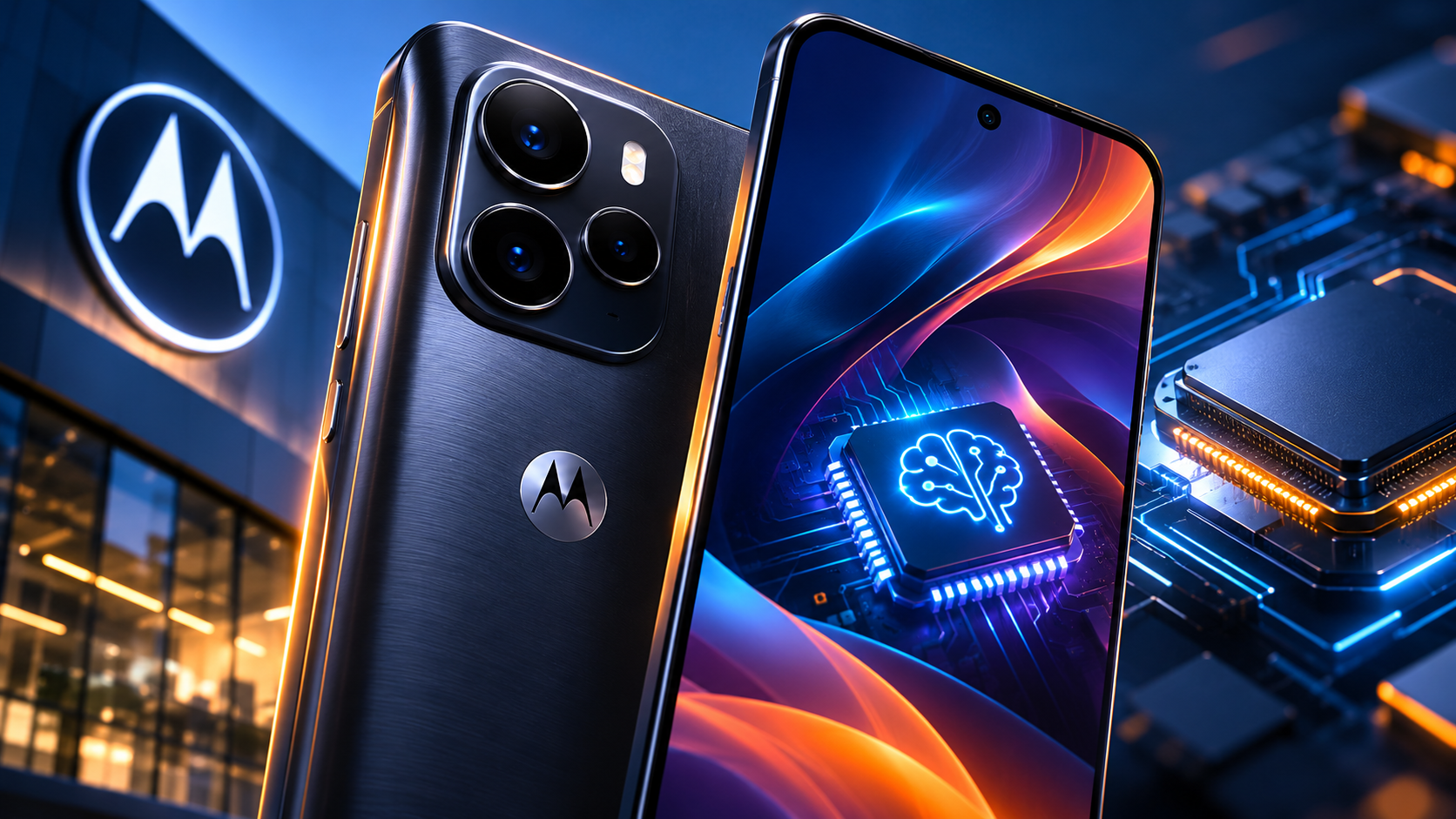
Motorola bets on the premium smartphone segment focusing on integrated on-device artificial intelligence, advanced performance, and high-standard hardware.
The Story in 1 Minute
- A Motorola oficializou o lançamento do Signature 27, marcando uma ofensiva no mercado premium ao integrar o processador Snapdragon 8 Elite Extreme Gen 6.
- A Motorola anunciou nesta quinta-feira (5) o lançamento global do Signature 27, seu novo smartphone de categoria premium, estabelecendo um novo patamar de preço e especificações para o portfólio da companhia.
- Com preços fixados entre R$ 11.000 (256 GB) e R$ 12.000 (512 GB), o dispositivo substitui o modelo Moto Signature, lançado em março por R$ 9.000, o que representa um reajuste nominal de preço de entrada superior a 22% em menos de um ano.
Motorola announced the global launch of the Signature 27 on Thursday (5), its new premium smartphone, establishing a new price and specification standard for the company's portfolio. With prices set between R$ 11,000 (256 GB) and R$ 12,000 (512 GB), the device replaces the Moto Signature model, launched in March for R$ 9,000, representing a nominal entry-level price adjustment of over 22% in less than a year. This move signals a clear strategy by the brand to transition from mid-market consolidation to seeking higher profit margins in the flagship device segment.
The core component of this new architecture is Qualcomm's Snapdragon 8 Elite Extreme Gen 6 processor. The adoption of this technology allows artificial intelligence models to run directly on the device (on-device AI), eliminating dependence on cloud processing. Technically, this enables faster response times and strengthens user privacy, a factor of growing weight in the purchasing decisions of corporate consumers and tech enthusiasts. The hardware is complemented by a 7,000 mAh silicon-carbon battery—a significant technical shift from the usual 5,000 mAh of lithium-ion competitors—allowing superior energy density in a more compact chassis.
Context and Economic Scenario
Thermal luxury smartphone markets have faced a saturated scenario, where volume sales growth has been replaced by the strategy of increasing Average Selling Price (ASP). By introducing an extended seven-year life cycle for Android operating system updates, Motorola attempts to mitigate the perception of planned obsolescence, a factor that has historically weighed against brands that do not operate within the Apple ecosystem. This decision implies a direct increase in software R&D (Research and Development) costs for the manufacturer, requiring compensation via premium hardware pricing.
From a competitive standpoint, the Signature 27 enters a battlefield occupied by devices such as the Samsung Galaxy S26 Ultra. Motorola's differentiation is not based solely on the chipset, but on a vertical integration of premium components, such as a partnership with Danish audio manufacturer Bang & Olufsen (B&O) for the sound system and the introduction of a dedicated 'Action Sensor' lens for moving image stabilization. The success of this strategy depends on the company's ability to convince consumers that the added value (especially on-device AI) justifies an entry-level ticket above ten thousand reais, at a time of caution in Brazilian consumer discretionary spending.
How It Affects Your Wallet and Investors
For consumers, the launch reaffirms a trend of premium smartphone pricing above the R$ 10,000 barrier. Investors should closely observe how this price increase will impact the gross margin of Motorola and its parent company. Although the price hike suggests an attempt to improve profitability, it also exposes the company to more elastic demand; if technological innovations do not translate into a visibly superior user experience, the company risks seeing its market share in the premium segment eroded by competitors who already have established brand loyalty in this niche.
Furthermore, the ecosystem presented—including the Moto Watch Ultra smartwatch and Moto Buds 2 Ultra headphones—indicates a consumer 'lock-in' effort, similar to Apple's business model. The strategy of selling a set of interconnected products aims to increase the LTV (Lifetime Value) of each customer. For investors, the success of this bet will be measured not only by the sales volume of the Signature 27 units, but by the attachment rate to complementary accessories and user retention over the promised years of updates.
Developments and Next Steps
Motorola begins sales of the Signature 27 later this month. We will monitor whether the promise of seven years of software updates is strictly maintained, a factor that will determine the device's credibility in the long-term resale market. The industry's focus remains on the actual efficacy of on-device AI implementations, which have become the new battlefield to justify high investments in semiconductors.
What this means for you
Technically, this enables faster response times and strengthens user privacy, a factor of growing weight in the purchasing decisions of corporate consumers and tech enthusiasts.
This contextual analysis is strictly educational and informational regarding macroeconomic trends. It does not constitute investment advice.
This story was originally investigated and reported in Brazil. Numerical figures and data remain preserved in their official units.