
US Opposition to Data Centers Gains Political Traction Post-Election
Bipartisan conflict over critical AI infrastructure challenges Big Tech's expansion schedule and alters real estate and energy investment planning.
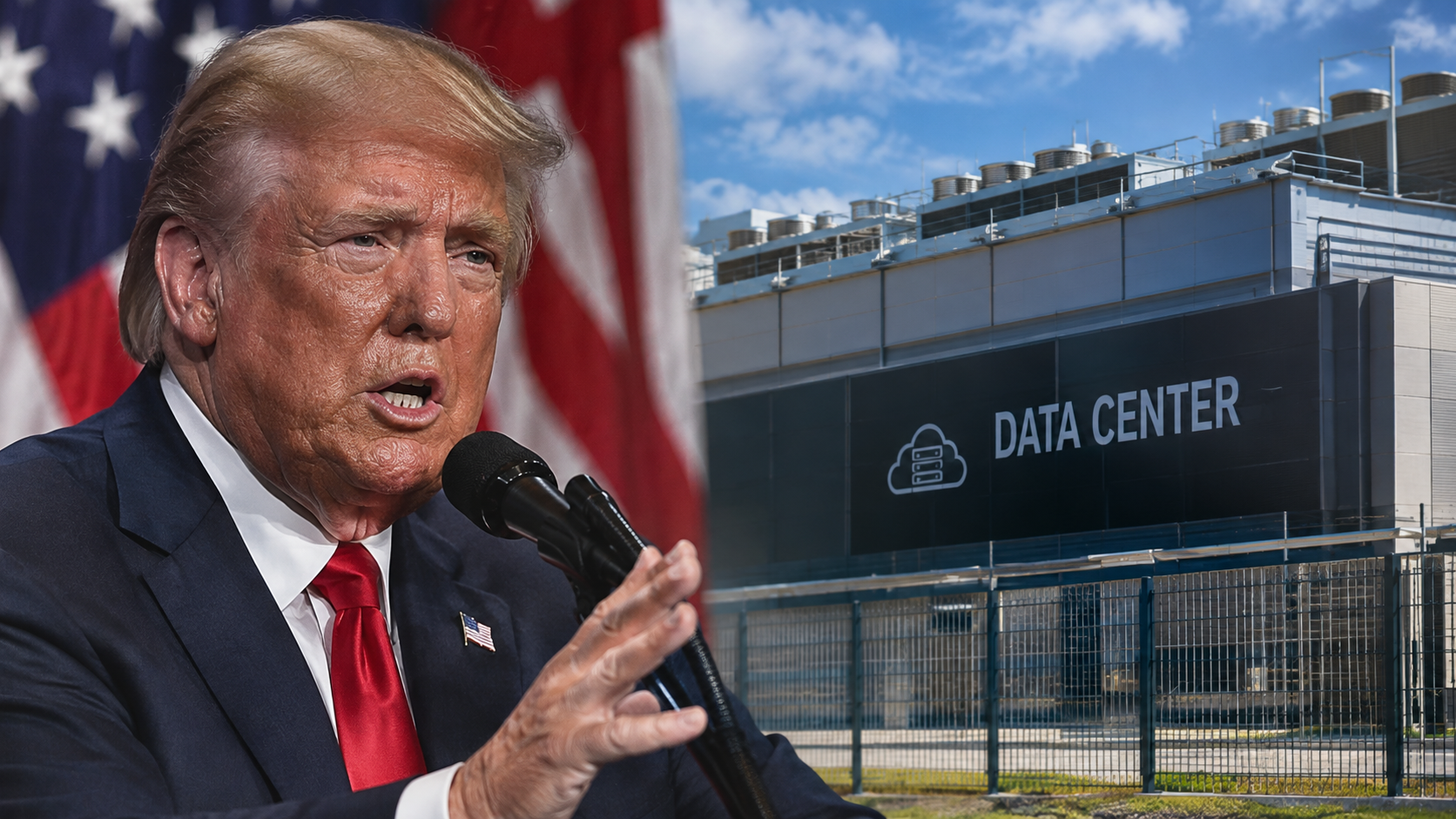
The expansion of data centers in the United States faces growing political and community resistance amid concerns over energy consumption, electricity costs, and local impacts.
The Story in 1 Minute
- Debates sobre consumo energético, impacto hídrico e ocupação territorial unem parlamentares de diferentes espectros políticos nos EUA contra a expansão acelerada de grandes complexos de data centers para IA.
- Conflito bipartidário sobre a infraestrutura crítica de IA desafia o cronograma de expansão das Big Techs e altera o planejamento de investimentos imobiliários e energéticos.
- Impacto relevante sobre infraestrutura econômica e produtiva.
The recent conclusion of the midterm elections in the United States revealed an unexpected political trend: growing local opposition to the installation of data centers, a vector previously viewed solely through the lens of technical and financial efficiency. Unlike common sectoral debates, resistance to these ventures has crossed traditional partisan divisions, uniting local communities concerned about environmental impact, excessive water resource consumption, and pressure on regional electrical grids. This phenomenon challenges the execution of billion-dollar projects necessary to support high-performance computing and Artificial Intelligence (AI) infrastructure.
Large corporations, known as 'Big Techs', now face a scenario where execution risk depends less on available capital—AI capital expenditures (Capex) remain at record highs—and more on the ability to secure social and environmental permits. The construction of data centers, previously treated as a bureaucratic urban zoning matter, has become a political risk variable in the United States. Monitoring data indicates that local resistance could delay implementation schedules by years, significantly increasing the marginal cost of each installed megawatt and testing the resilience of delivery deadlines demanded by shareholders.
Context and Economic Scenario
The data center sector is experiencing a moment of economic contradiction. On one hand, demand for AI processing requires an aggressive expansion of physical capacity, leading companies like Microsoft, Google, and Amazon to inject billions of dollars into Capex to ensure global competitiveness. On the other hand, energy availability is constrained by the energy transition and the obsolescence of national grid infrastructures. Post-election opposition reflects the frustration of communities bearing infrastructure costs—such as higher energy bills and water use restrictions—without perceiving immediate local economic benefits to offset the negative externalities.
Analysts note that this resistance could force a geographical decentralization of data centers, pushing companies toward regions with lower population density but higher logistical and connectivity costs. Furthermore, state regulation may become more stringent, imposing taxes on the use of critical resources or requiring faster compensatory investments in renewable energy. This environment creates a tangible market risk, where Return on Investment (ROI) efficiency may be compressed by the need for complex and prolonged political negotiations.
How This Affects Your Pocket and Investors
For investors exposed to technology stocks or infrastructure funds (data center REITs), the scenario points to an increase in execution risk. The market may react negatively to chronic delays in infrastructure delivery, which translate into loss of market share or the inability to monetize AI investments as planned. Operating cost inflation, should companies need to finance their own energy sources or pay higher compensation fees, is a direct threat to the long-term net profit margins of these assets.
From a macroeconomic standpoint, the dispute highlights the fragility of American infrastructure in the face of demand from the new digital economy. For the average citizen and small businesses in high-density data center regions, the impact manifests in the cost of electricity and competition for water resources. The politicization of the topic suggests that the social cost of AI technology is beginning to be priced in, altering the 'growth at all costs' dynamic that characterized the sector's boom in recent years.
The scenario remains open, with local and state governments under pressure to review zoning regulations and environmental impact requirements. The market now awaits signals from major companies on how they will adapt their expansion plans to mitigate social opposition without sacrificing the necessary computing capacity. The trend is for the topic to dominate the government relations agendas of tech giants during the upcoming legislative legislative year, with the possibility of legal litigation and new state legislation serving as key risk indicators to be monitored by analysts.
What this means for you
Debates over energy consumption, water impact, and territorial occupation are uniting lawmakers from different political spectrums in the US against the accelerated expansion of large AI data center complexes.
This contextual analysis is strictly educational and informational regarding macroeconomic trends. It does not constitute investment advice.
This story was originally investigated and reported in Brazil. Numerical figures and data remain preserved in their official units.